The viral version is blunt: “you bought the GPU, now pay for the software.” The verified version is more interesting, because the quote is real, the number is real, and the price NVIDIA already charges is half again more.
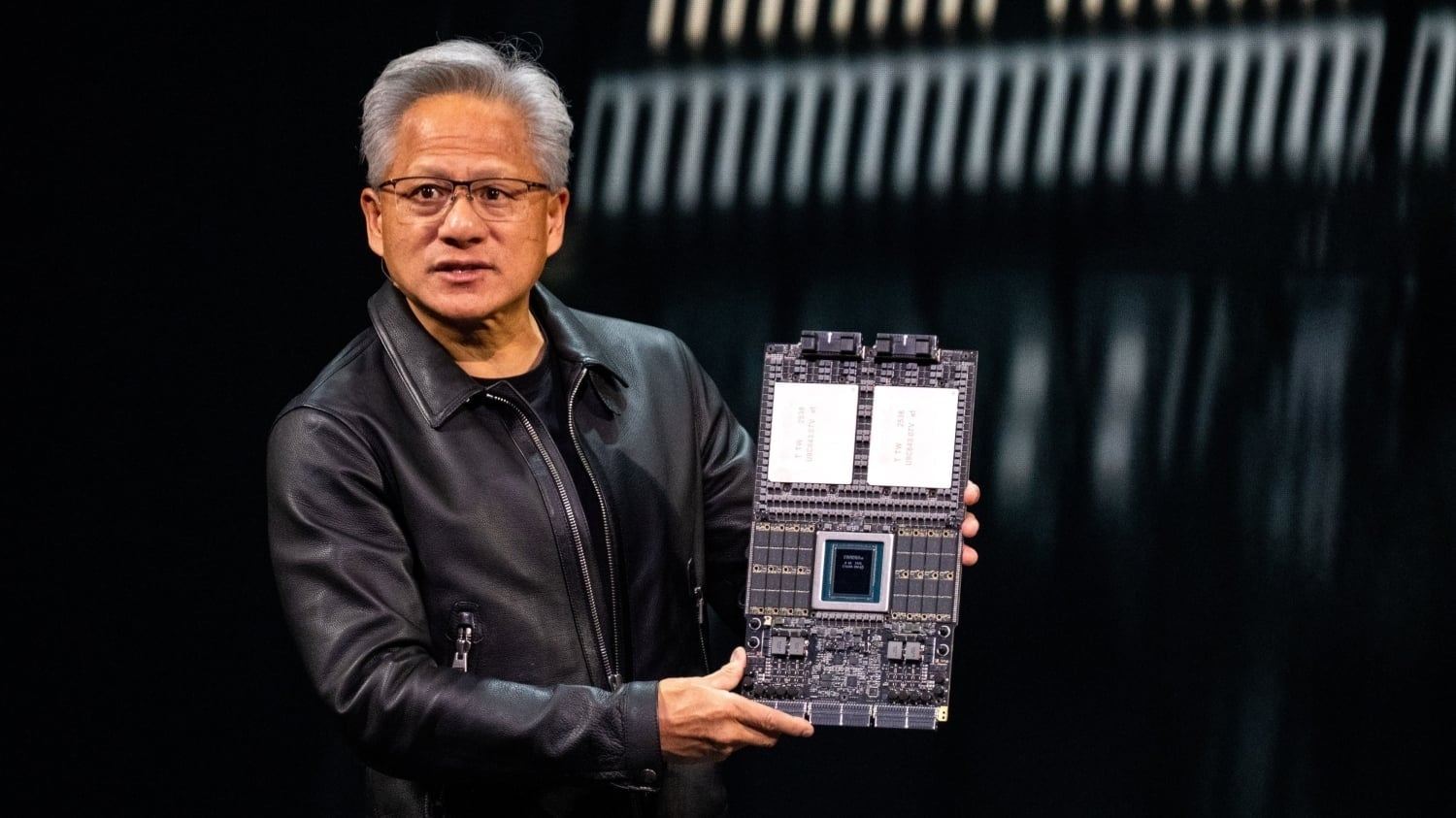
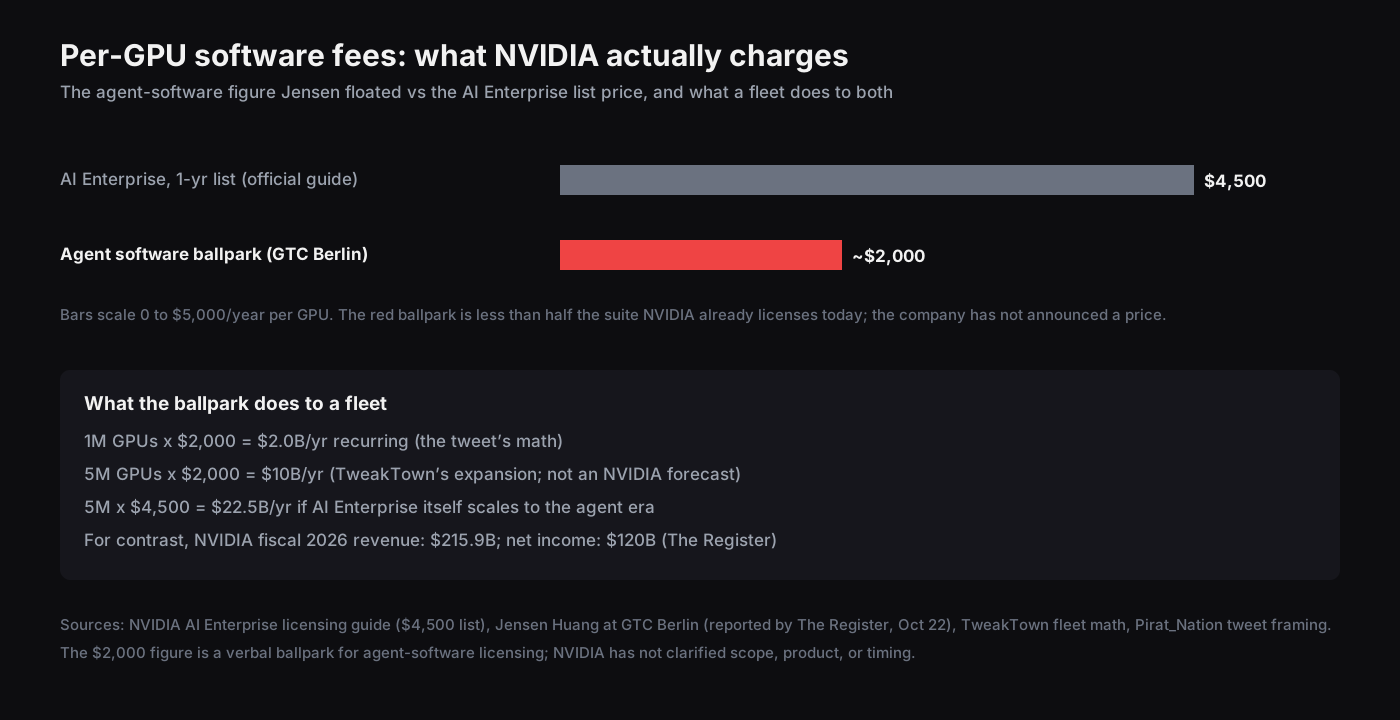
At GTC Berlin, Jensen Huang told the crowd that “software licensing will become increasingly a major part of our company’s business,” and that running all the NVIDIA software that powers agents inside AI factories works out to “about $2,000 per GPU, per year.” The Register reported it Oct 22; the clip is circulating in the usual X accounts (Pirat_Nation’s version, 609 likes, does the fleet math: one million GPUs at $2,000 is a $2 billion/year line item). Both the quote and the math check out.
The number that makes $2,000 look like a discount
Per-GPU software licensing is not a new idea at NVIDIA - it is the current price list. The company’s own licensing guide sells AI Enterprise at $4,500 per GPU per year with support. So the honest frame for the GTC moment is: the boss floated an agent-software figure BELOW the suite the company already sells, not above it. Two readings reconcile it: either a slimmer agent-only bundle is coming (the $2,000 is a soft anchor), or the full AI Enterprise stack gets repositioned as the agent-software layer and $2,000 is the teaser before the real quote. NVIDIA has not clarified scope, product, or timing. TweakTown’s reporter said it plainest: it’s “more like a ballpark than an actual price tag… I wouldn’t read it as a price cut.”
What the fee would be FOR: OpenShell and the agent quarantine
The remark dropped right after NVIDIA unveiled its OpenShell Reference Architecture - Vera Rubin systems with Vera CPUs and BlueField-4 DPUs running NVIDIA Sentry, software that watches agent activity on the factory floor and can quarantine agents that step out of bounds. OpenShell sandboxes each agent to the resources its task needs. That is the product story behind the price: the software layer is not “drivers and CUDA” anymore (those stay free); it is the governance, monitoring, and orchestration of thousands of autonomous agents inside one building. Enterprises buy insurance, and $2,000 per GPU per year is an insurance-shaped number.
The give-away half that proves the point
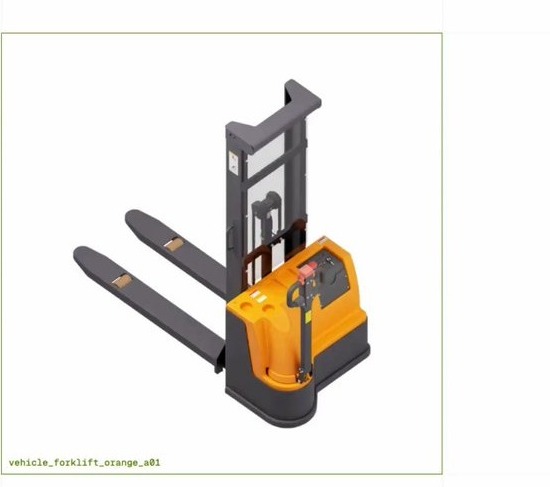
The same GTC week, NVIDIA opened a second door: SimReady Central on Hugging Face - free, ungated simulation-ready 3D assets (OpenUSD) for robotics training and AI factory digital twins. The base library alone carries 1,663 verifier-counted asset groups under CC-BY-4.0, the live Central interface advertises 3,599 items across industrial, OEM, residential, hospital, and lighting categories, and the main dataset has pulled 393,196 downloads and 315 likes. These are not game props: each asset ships with collision geometry, mass, friction, joint limits, and semantic labels - the properties that make an object testable in physics.
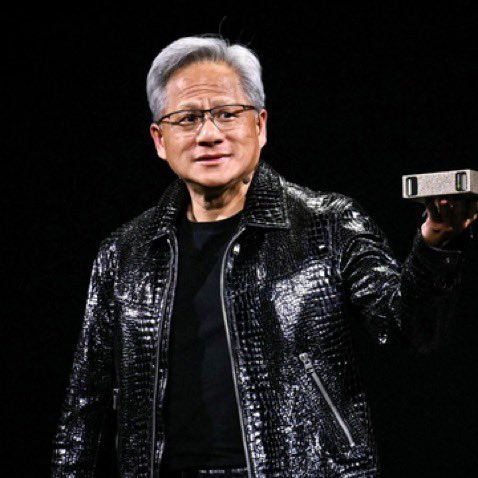
The two moves are one strategy. NVIDIA gives away the assets and the simulation substrate because every factory that builds its digital twin inside Omniverse on Hugging Face becomes a place where NVIDIA software has to run - and where the per-GPU license arrives attached to work agents are already doing. The fee discussion is enterprise-only (nobody is licensing a consumer GPU for agents today), but the same speech had Huang pitching the $4,000 DGX Spark with 128GB as the “family’s robot” running everyone’s agents at home. The enterprise ceiling and the household floor are the same product line seen from two ends.
The local-AI read
For our readers the arithmetic decides it. The $2,000 line is quoted PER GPU PER YEAR - recurring, attached to hardware you already bought, and (per the OpenShell package) doing governance on your behalf that you cannot switch off without owning the risk yourself. On a 16-GPU factory node that is $32,000/year before electricity. The open-weights alternative has no per-GPU line at all: the model card is free, the runtime is free, and the governance story is whatever you can actually audit. NVIDIA’s pitch is that enterprises will pay for the audit-shaped thing instead. Maybe they will. But the moment the fee is real, every AI-factory RFP gains a line item that open stacks simply do not carry - and that is a comparison table NVIDIA has to win against “free” for the first time, in the exact quarter the open-weights camp shipped Nemotron-grade RAG stacks (our Nemotron Embed and Rerank piece), the exploit-driven Ampere patch work, and IBM’s CEO calling open weights “irresistibly good and cheap on-prem.”
Sources: The Register (GTC Berlin report, Oct 22, primary quote), TweakTown (Hassam Nasir, Oct 25, licensing-guide comparison and fleet math), the NVIDIA AI Enterprise licensing guide ($4,500 list), the NVIDIA SimReady Central announcement blog (Kosnik, DeLise, Lee, Oct 21), Pirat_Nation’s Oct 26 post for the framing.
Related on this site: Nemotron Embed and Rerank is the same company’s open-weights week; GPU Unlock covers users refusing hardware-level segmentation; the model catalog is where the fee-free alternative stacks live.