TLDR
Alibaba shipped Qwen4-Max with no weights and, as of 27 November, the 27B that everyone was waiting for is in doubt. One researcher who had been tracking it says he has bad news from the Alibaba team and will share it when it is final. Z.ai promised GLM-5.4 weights and has not published a repository in five days. Hy4 flash promised weights thirteen days ago. Liquid has never shipped any.
Meanwhile the open releases kept coming, at 6GB, 30GB and 124GB, under MIT and Apache. What changed is not that open weights stopped. It is that the frontier stopped being the part that opens.
The thing that did not ship
Qwen4-Max is real and is closed. It has been the only Qwen4 release. The two models people wanted, Qwen4-27B and Qwen4-Flash-Next, have not appeared, and on 27 November Jun Song, who has been following the release closely, wrote that he had “bad news from the Alibaba team about this” and that nothing is set in stone.
That is the shape of a delay rather than a cancellation, but it is also a change. Qwen built its standing on open releases at every size, and the 27B tier is the one that matters for anyone running a model on their own card.
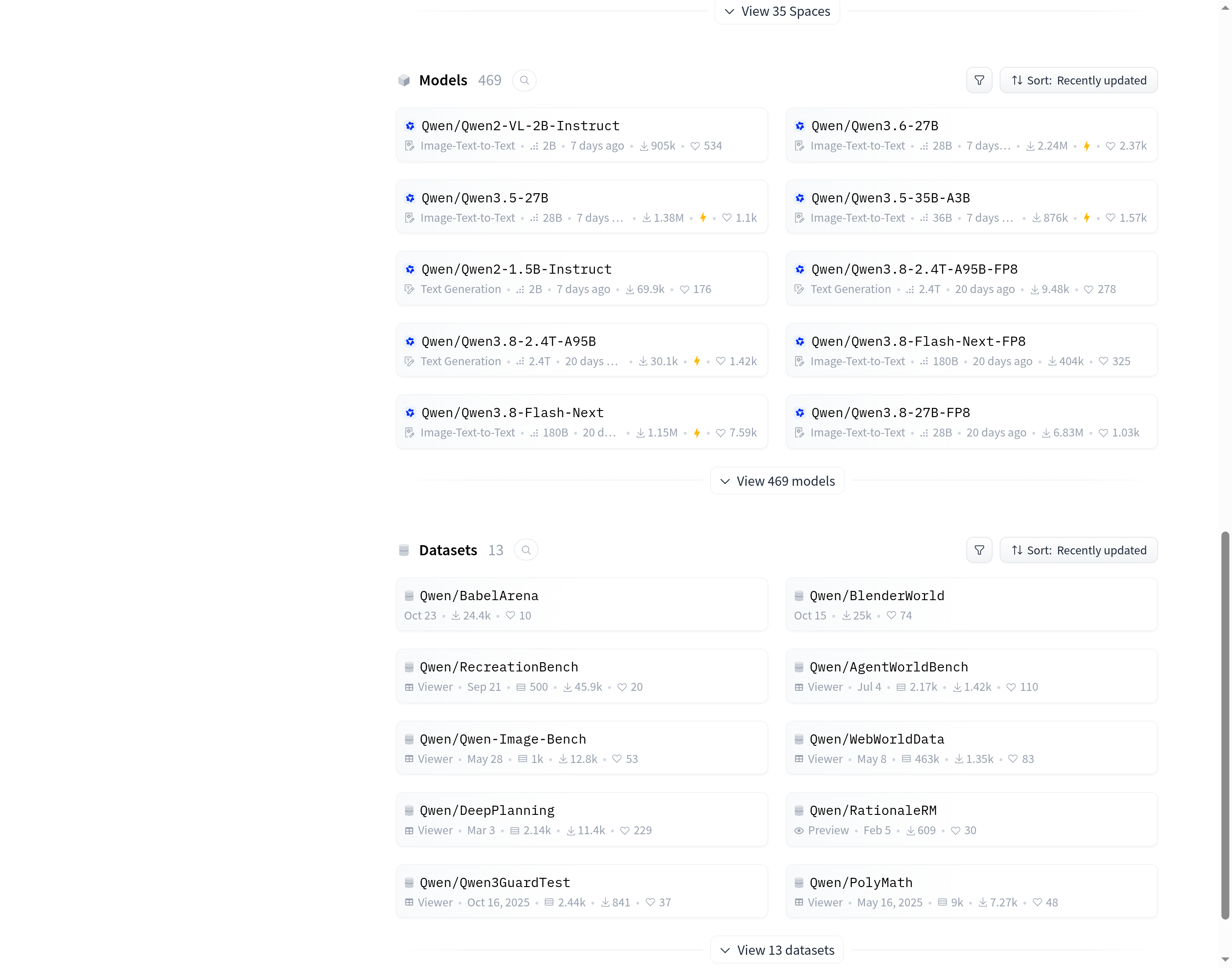
Caption: The Qwen organisation listing on Hugging Face, 27 November. Qwen4-Max is the only Qwen4 release visible, and Qwen4-27B has no repository. Screenshot: Hugging Face, Qwen org model listing, 27 Nov 2026.
GLM-5.4 is the clearer case. Z.ai announced it on 23 November at 750B, built by running 28 layers of GLM-5 twice per forward pass. The published numbers were an iso-parameter ablation on a 30B model, not benchmarks of the flagship. The blog said the company plans to open-source the weights “after completing necessary safety hardening”, with no date attached.
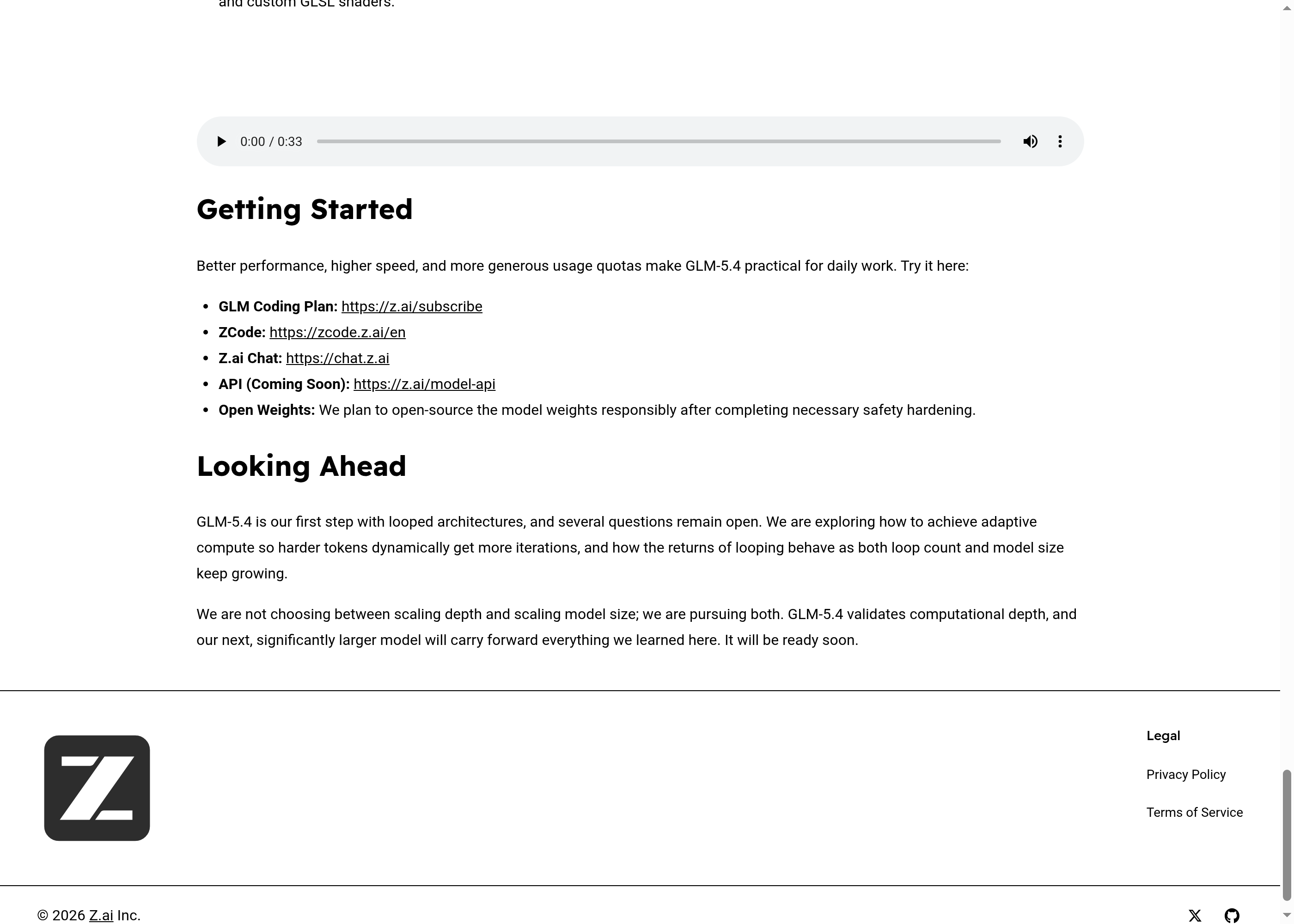
Caption: The GLM-5.4 announcement. The weights commitment is conditional on safety hardening, with no date attached. Screenshot: Z.ai, GLM-5.4 announcement.
Five consecutive checks of the organisation’s Hugging Face account put the newest upload at GLM-5.3 from 25 August.
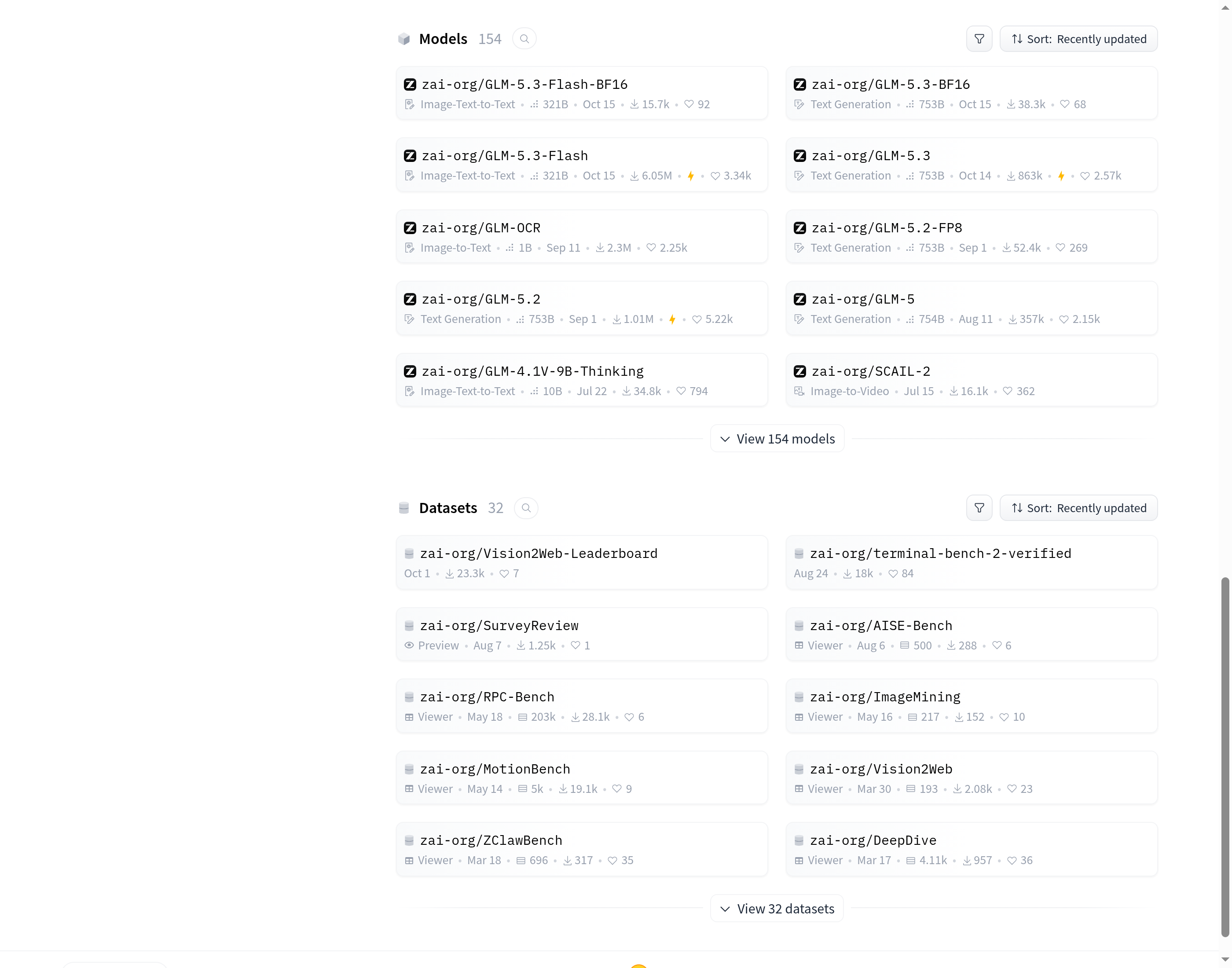
Caption: The zai-org listing after five consecutive checks. The newest upload is GLM-5.3 from 25 August, and no GLM-5.4 repository has appeared. Screenshot: Hugging Face, zai-org model listing, 27 Nov 2026.
Hy4 flash is the same pattern with a longer clock. Announced with 224B total and 12B active, a 1M context and API pricing at $0.070 per million input tokens. Not downloadable, thirteen days later.
The thing that did ship
In the same weeks, these all landed with weights a person can actually run:
Kolibri 1.1 from Aleph Alpha, 75B total with 3.44B active under Apache 2.0, and GGUF builds at 16.58, 21.34 and 40.18GB. A 75B model fits a 24GB card at 1.75 bits per weight.
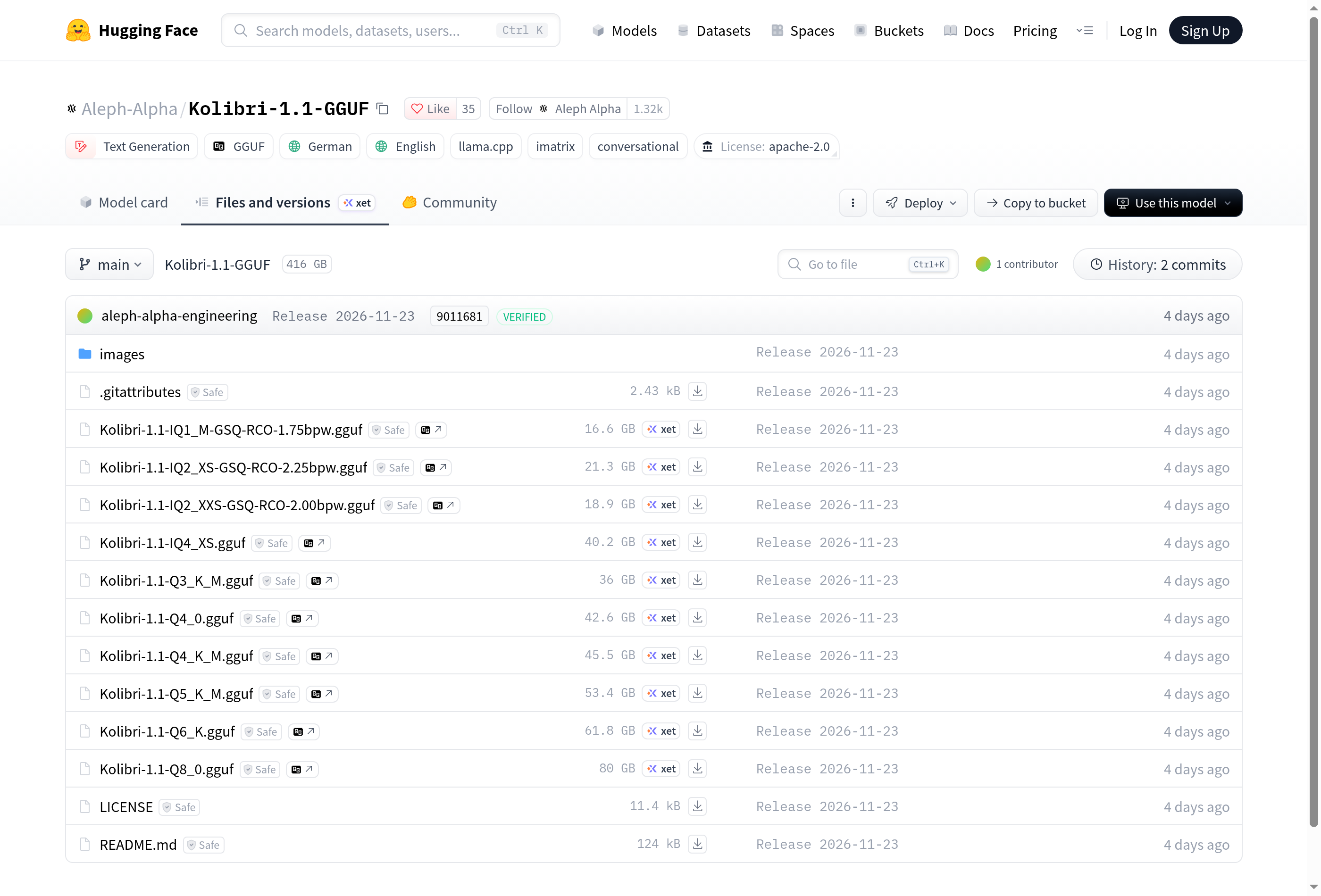
Caption: Kolibri 1.1 GGUF builds on Hugging Face under Apache 2.0, at 16.58, 21.34 and 40.18GB. A 75B model fits a 24GB card at 1.75 bits per weight. Screenshot: Hugging Face, Aleph-Alpha.
Ling-3.2-air from InclusionAI, MIT, 124B total with 5.5B active across 512 experts, at 29.8GB for IQ1_S and 47.1GB for IQ2_M, so a 48GB card holds it.
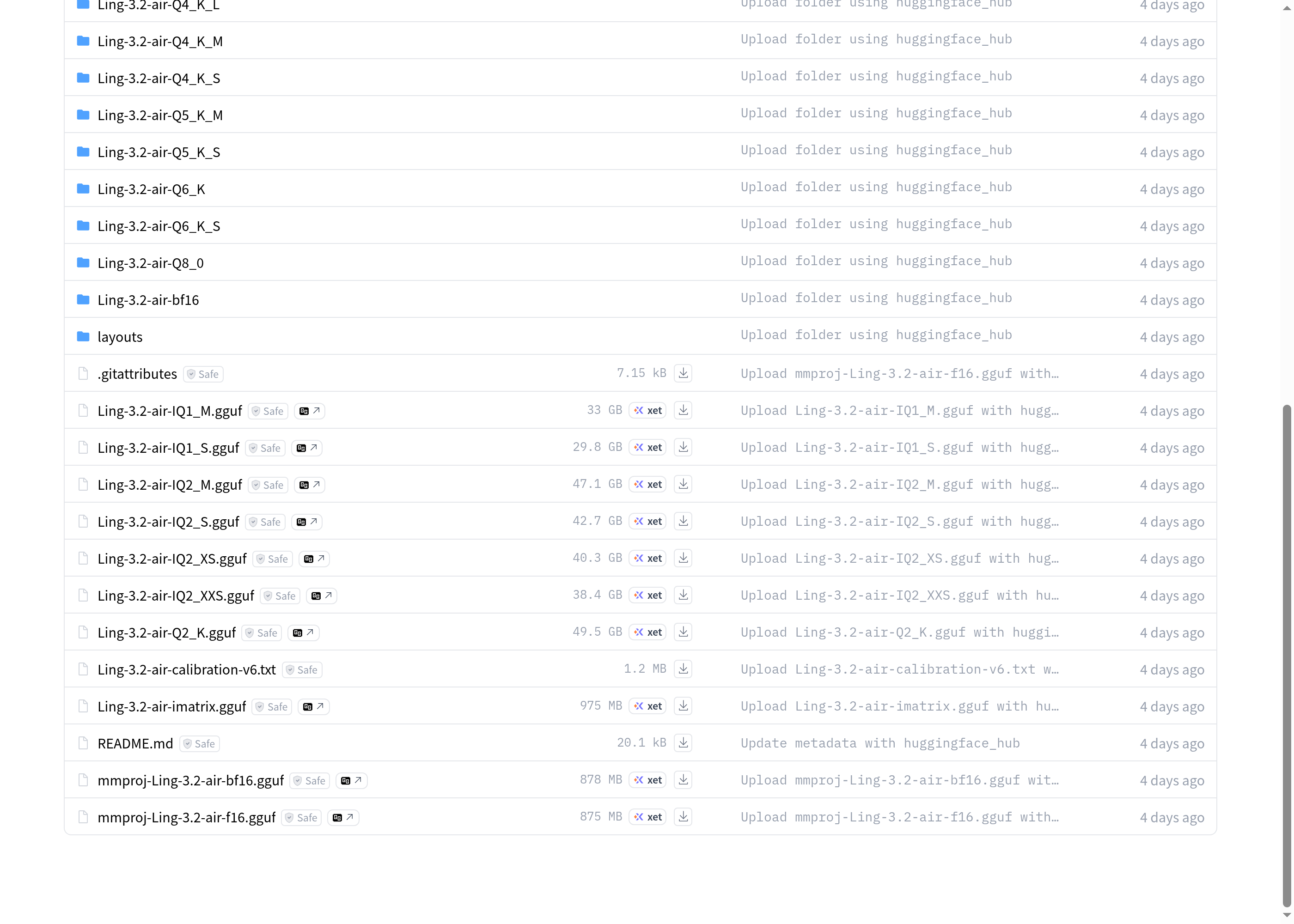
Caption: bartowski’s Ling-3.2-air GGUF quants at 29.8GB for IQ1_S and 47.1GB for IQ2_M, so a 48GB card holds it. Screenshot: Hugging Face, bartowski.
Ternary Bonsai 2.5 from Prism ML, a 27B whose every weight is minus one, zero or one, 1.76 bits, 5.93GB on disk against 53.8GB at FP16. It runs on stock llama.cpp from one build onward and fits a 10GB card with room to spare.
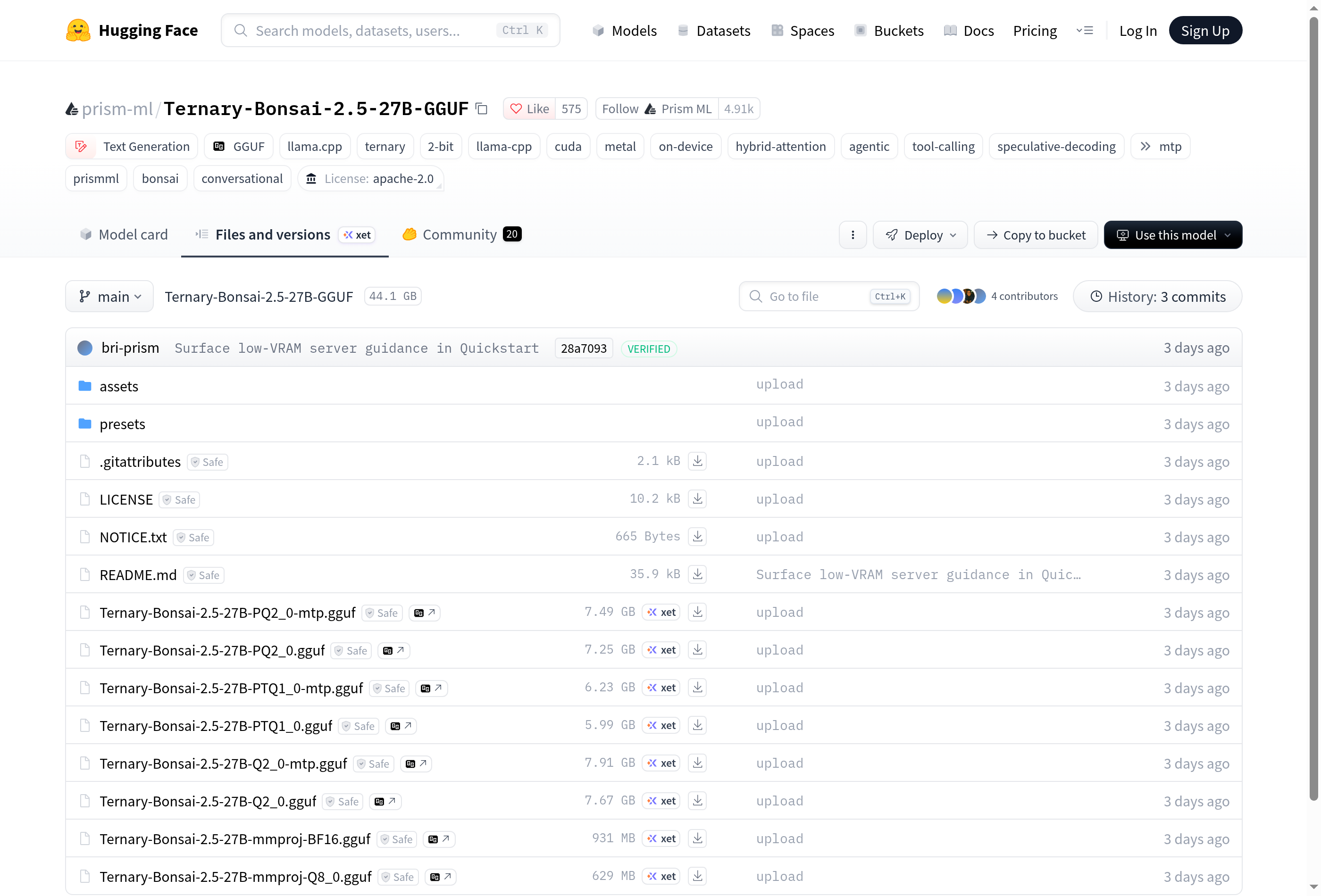
Caption: Ternary Bonsai 2.5 on Hugging Face under Apache 2.0, with quants from 5.99 to 7.67GB. Every weight is minus one, zero or one. Screenshot: Hugging Face, prism-ml.
Ming-Image 0.2 at 6B under MIT, Kandinsky ImageSR at 4.5B under MIT, Inkling 2 in three sizes under Apache 2.0.
Why the tier flipped
Training a frontier model is now a capital decision, and open weights are a choice about distribution that a company has to defend to the people funding it. When the compliant thing to do is publish your best model, publishing it is a marketing move. When it costs a nine figure training run to be competitive, the same act becomes a gift to competitors who did not pay for it.
So the calculus inverted without anyone announcing it. The flagship is the part that gets held back, and the small model is the part that gets released, because a 6GB or 30GB model is not a competitor to an API business. It is a funnel into one.
That is what “we plan to open-source the weights responsibly after safety hardening” means in practice. It is a sentence that costs nothing and commits to nothing, and the reader has no way to tell whether safety work is happening at all. A date is a commitment. A safety review is a weather report.
What to do about it
Stop planning around a flagship that may never be downloadable. If a model is not on Hugging Face with a config file you can read, it is an API product, whatever the announcement said.
Plan around the sizes that actually ship: sub-30B dense, and mid-size mixtures of experts between 5B and 12B active. That tier has seen open releases every week this month, and it is where the useful work is for anyone with a card rather than a cluster.
When a lab says weights are coming, treat it as unshipped until there is a repository. Check the commit, read the config, confirm the parameter count. The gap between an announcement and a downloadable file has become the most reliable signal in the industry, and it is the only one that costs nothing to verify.
We are tracking this as it moves. GLM-5.4 and the Qwen4 open releases are checked on a schedule, and this piece will be updated when a repository appears or when Alibaba confirms what it told Song. The check is the claim: a model is open when there is a file to download, and not before.
Discussion
Be the first to commentStart a discussion
Got a take on this, a rig to show off, or a benchmark that says otherwise? Sign up and start the thread - your comment publishes instantly once you're in.