If you have spent any time in software, “open” has a settled meaning. You get the source, you can read it, change it, rebuild it and ship your version. The word is doing the same work in AI now, and it is not the same thing at all.
Open weights means someone published the numbers. Not the code that produced them, not the training data, not the pipeline that turned one into the other. A file of several billion floating point values that will reproduce a model’s behaviour, and nothing that explains why.
Try it. Pick a distribution model and watch what changes.
The same model, four different things
Pick how a model is distributed. Each row below changes to say what that actually lets you do.
What the file actually is
A model’s weights are matrices of numbers adjusted during training. Loading them runs the network. Reading them tells you almost nothing, because the meaning of a 750 billion parameter model is distributed across all of it at once. There is no function to read, no comment to follow, no commit history.
That is the first break from open source. With a codebase you can find the line that does the thing. With weights, you can only run it and observe.
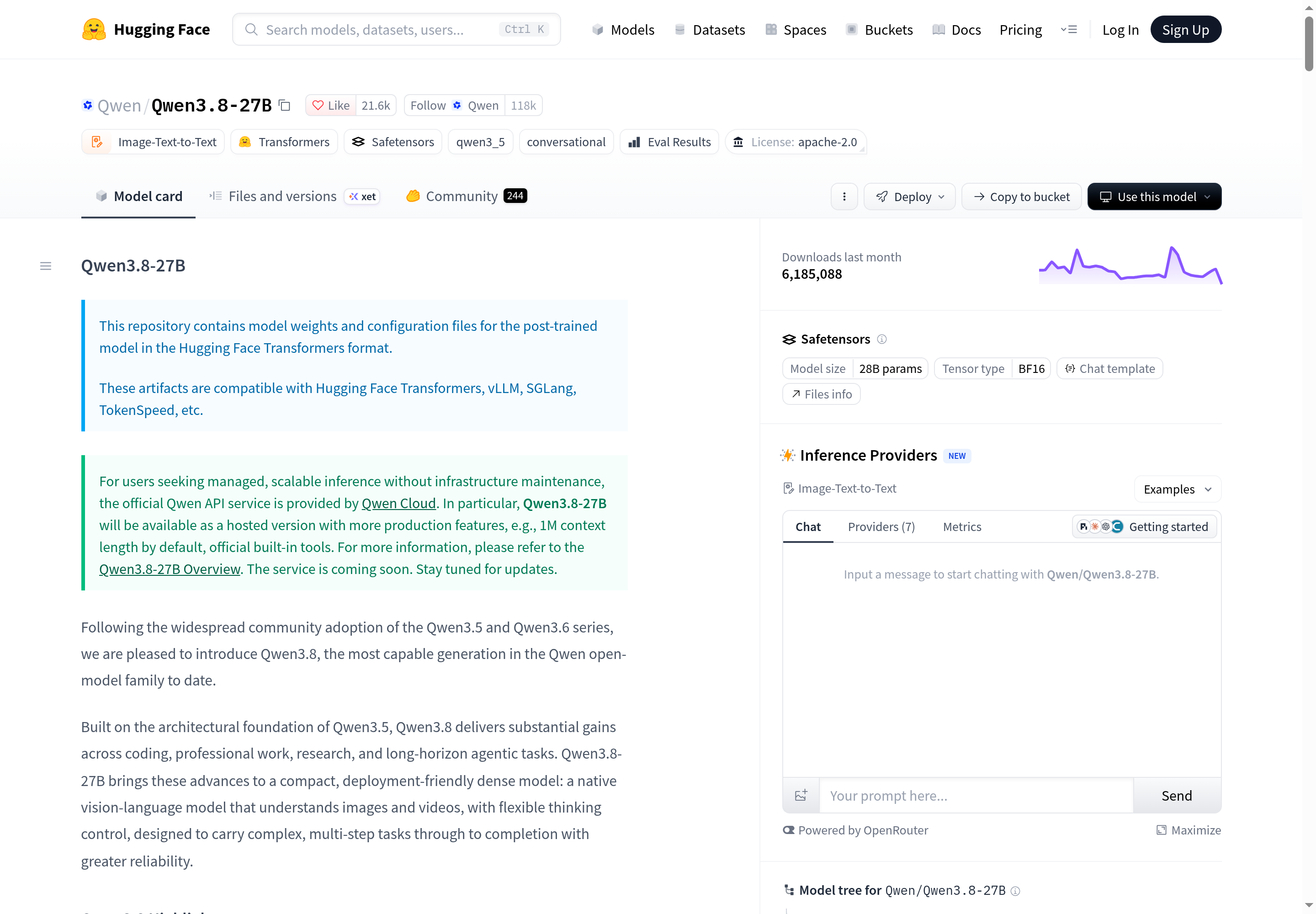
Qwen3.8-27B under Apache 2.0, with 6.18 million downloads last month. Weights, licence and quantised builds all public. Screenshot: Hugging Face.
The second break is subtler and matters more for anyone making a decision: you cannot verify a claim about a model by rebuilding it. With open source, build from source and compare the binary. With weights, you can check that the file matches a hash, and that is the end of it. Whether those numbers came from the training run the publisher describes is not something you can test.
The licence is where “open” stops
Weights can be published under terms that look familiar and behave very differently.
Apache 2.0 is the real thing, in its licence sense: run it, modify it, ship it commercially, with a patent grant and no royalty. Qwen, Inkling 2 Mini and SenseNova all sit here.
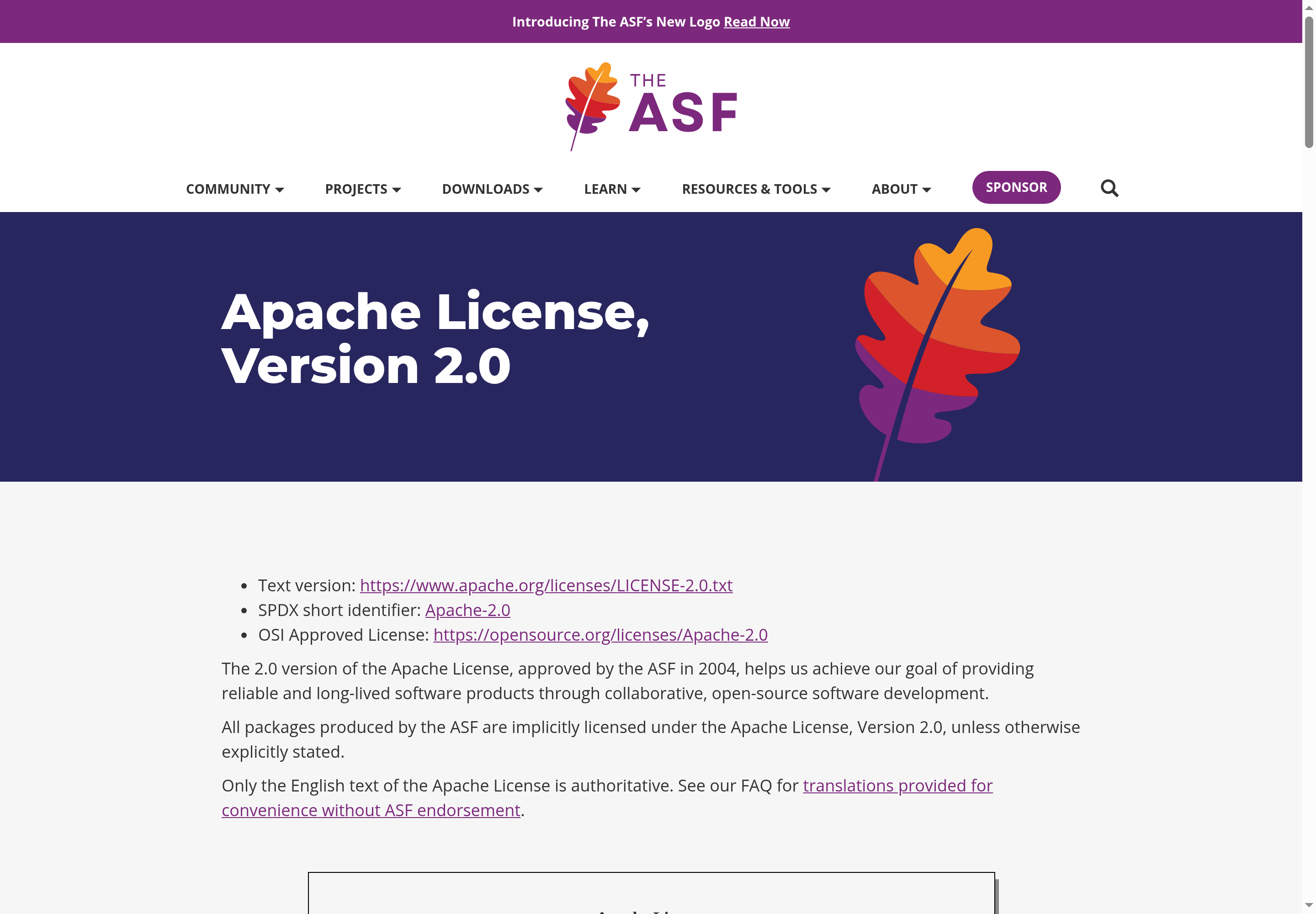
The Apache 2.0 licence text. Perpetual, worldwide, royalty-free, with an express patent grant. Screenshot: Apache Software Foundation.
A vendor licence gets you the same download and different rights. Tencent published Hy4 flash under its own licence rather than Apache, which means the terms are whatever that document says and they can change with the next release.
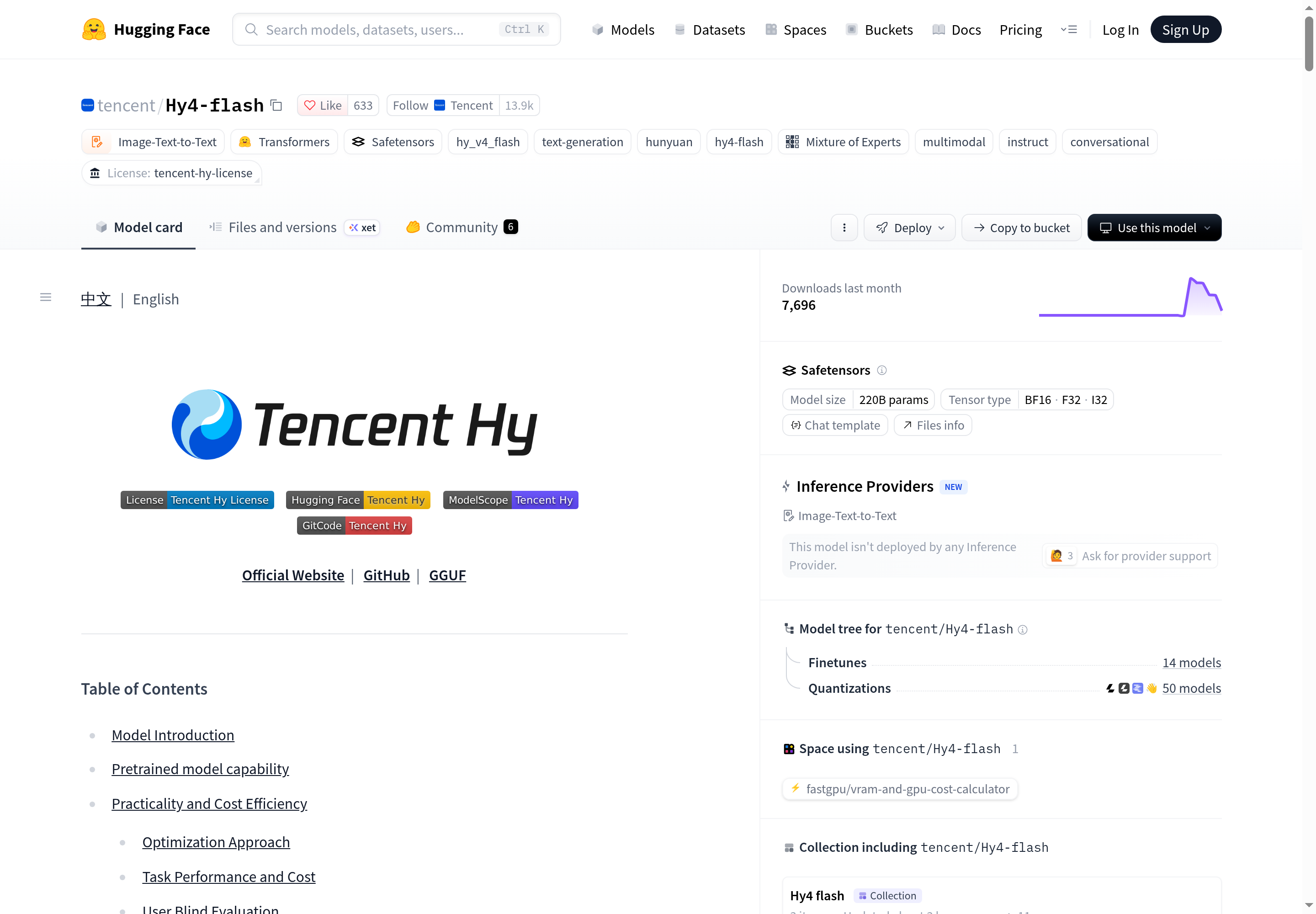
Tencent’s Hy4 flash on Hugging Face, 220B parameters and real downloadable weights, under Tencent’s licence rather than an open-source one. Screenshot: Hugging Face.
A promise is neither. GLM-5.4 shipped on 23 November at 750B with this line at the bottom of the announcement:
“Open Weights: We plan to open-source the model weights responsibly after completing necessary safety hardening.”
That is not a licence, a date or a repository. Today the model exists as a chat interface and a blog post.
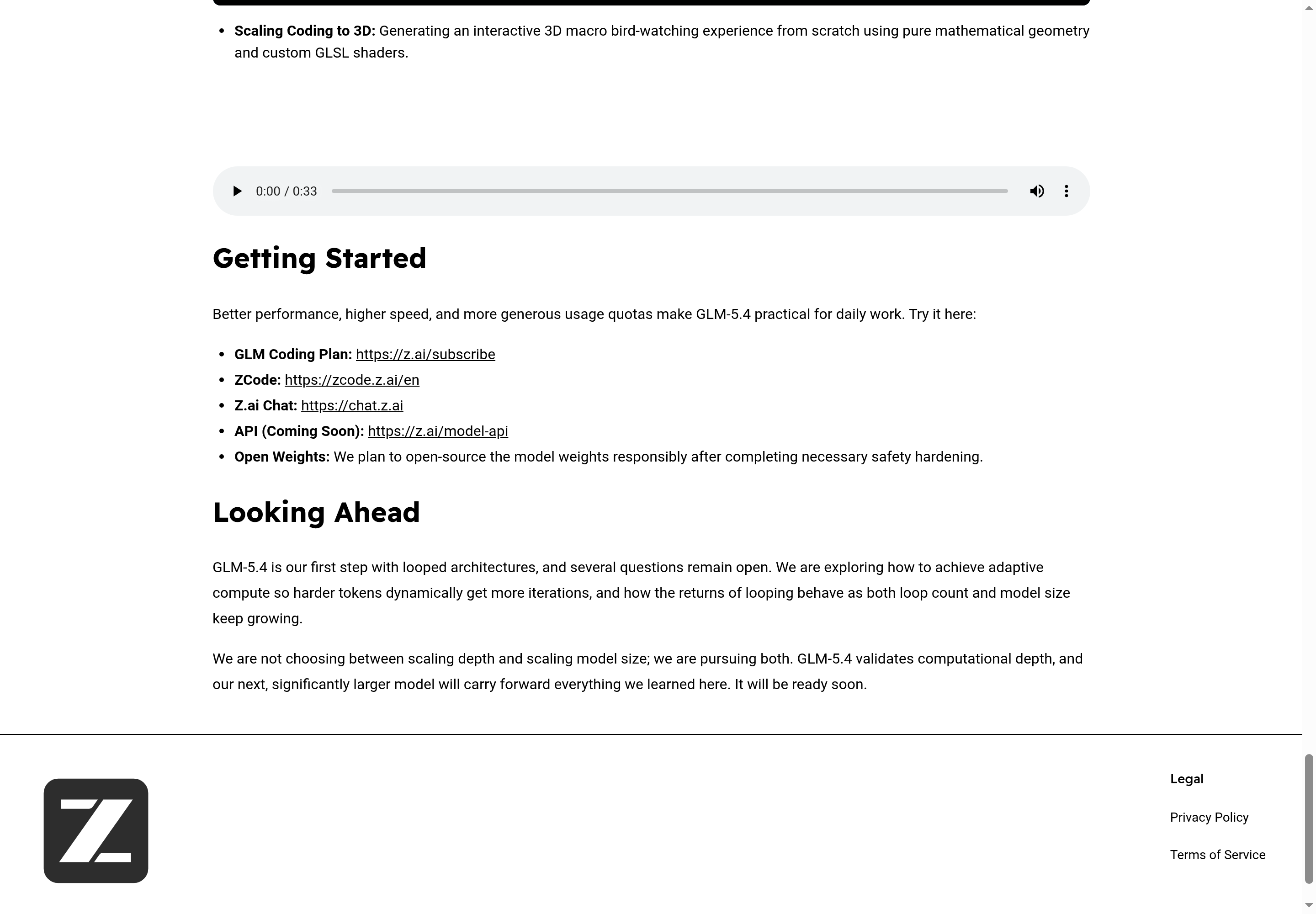
The sentence that separates an announcement from a release. Screenshot: Z.ai.
What this looks like in practice
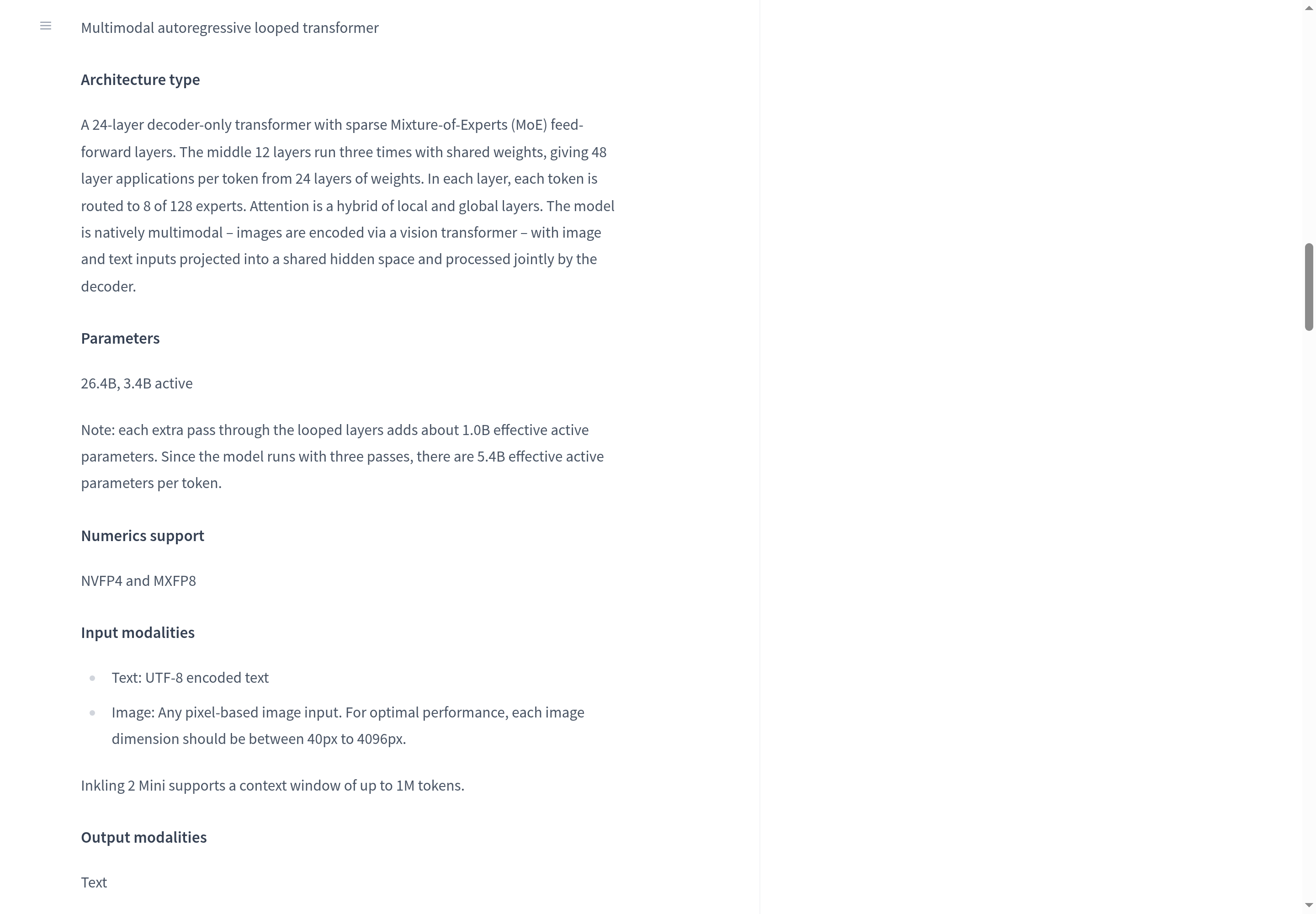
Inkling 2 Mini: 26.4B total, 3.4B active, Apache 2.0, one 20GB checkpoint. A genuine open weight release with published caveats. Screenshot: Hugging Face.
Inkling 2 Mini is the honest version of the format. Weights you can download, a licence you can rely on, a model card that names the failure modes, and quants from nine gigabytes so a 32GB machine can run it. You still cannot audit it. You can run it, fine-tune it, ship it and test it, which for most work is what you actually wanted.
The distinction matters most when someone says a model is open to argue it should be trusted. A government committee made that argument in November, recommending a provenance standard and an AI bill of materials for models in federal systems, on the grounds that you should be able to know what is running and where it came from. Weights alone do not give you that. A hash tells you the file did not change. It tells you nothing about where the file came from.
The short version
- Open source: code you can read, build and change
- Open weights: a file you can run, fine-tune and ship, under a licence that decides the rest
- Open-ish: an announcement, a promise, or terms that revoke the point
- Closed: an API and a bill
“Open” in AI tells you that the file exists, and nothing else. Read the licence before you believe the adjective.
Sources: Qwen3.8-27B - Tencent Hy4 flash - Z.ai: GLM-5.4 - Apache License 2.0 - Inkling 2 Mini
Related on this site: Models are buying depth by running the same layers twice
Discussion
Be the first to commentStart a discussion
Got a take on this, a rig to show off, or a benchmark that says otherwise? Sign up and start the thread - your comment publishes instantly once you're in.